Smarter Dock Safety Upgrades Before Peak Boating Season
Floating docks across the UAE get a lot busier as spring holidays and long weekends arrive. More family visits, more jet ski rentals, and more early-morning and evening trips all put extra pressure on your dock system. That extra use is exactly when small safety issues can turn into real problems.
This is the perfect time to walk your dock, look at how it is actually being used, and plan a few smart upgrades before traffic and temperatures rise. Safety does not have to mean starting from zero. Many simple changes can be added to almost any existing floating dock, even if it is not a new build or not from the same brand.
At Wavetech Marine Docks, we work with HDPE floating systems designed for local marine conditions in the UAE. From private villas to busy marinas, we see the same safety patterns repeat. The ideas below are a practical checklist you can use to make any floating dock safer and more reliable for the season ahead.
Strengthen the Walking Surface Under Every Footstep
Most dock accidents start underfoot. Wet decks, sunscreen, and sand make even a small slip more likely, especially when people are carrying bags, coolers, or gear. That is why the first safety upgrade should always focus on how the surface feels and behaves when it is wet.
Safer walking surfaces can include:
- Textured HDPE modules that hold grip even when wet
- Non-slip surface treatments added to existing boards or floats
- Extra float modules in high-traffic spots to reduce bounce and flex
- Clear patterns or markings that show the main walk path
On a villa dock where kids run from the garden to the water, a grippy surface means fewer falls and more relaxed parents. On marina walkways, guests in wet gear or life vests need a surface that feels solid and predictable under every step. At watersports centers, constant spray and dripping boards make texture and drainage especially important.
It is also important to look at the dock from below, not just above. Buoyancy and freeboard affect how stable the dock feels when people move. If the dock rides too low in the water or dips when a group stands in one place, you may need to:
- Check float sizing and spacing
- Add extra modules where people often gather
- Adjust the layout to spread loads more evenly
Modular floating docks make this work simpler because you can swap out individual pieces. If one corner flexes more than it should, or a section near the main gate feels loose, a professional can replace or strengthen just that part instead of rebuilding everything.
Safer Edges, Cleats, and Access for All Users
The edges of a floating dock are where people move between a solid surface and a moving boat. Many injuries start here, with hard impacts, sharp corners, or awkward steps across gaps.
There are a few simple ways to soften and organize these danger zones:
- HDPE or rubber edge protection along walkways
- Rounded corner modules instead of sharp square edges
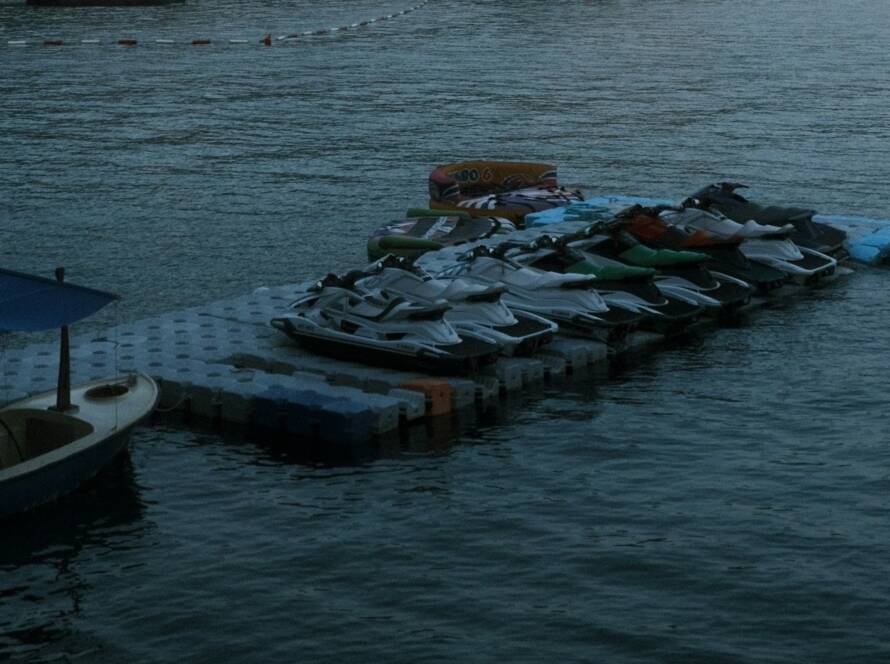
- Clear berthing zones marked for boats and jet skis
Edge protection does more than save hull paint. It protects shins, knees, and legs when someone misjudges a step or when a wave rocks the boat at the wrong moment. Rounded corners are especially helpful in tight marina basins and on small villa docks where space is limited.
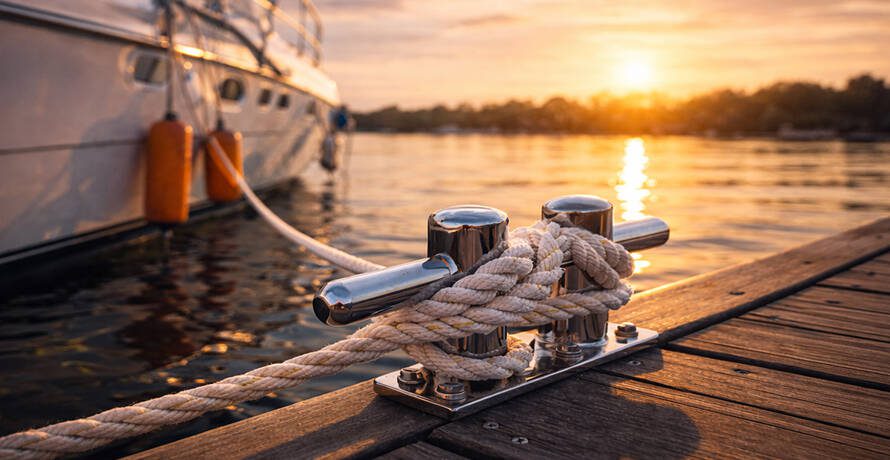
Cleats and mooring hardware also matter. Low, sharp fittings placed in walking areas become easy trip points. A safer approach is to use:
- Low-profile cleats placed outside main walk paths
- Securely bolted hardware matched to the dock structure
- Separate mooring areas from main pedestrian flow
Think about access too. Stable gangways, handrails at busy transition points, and clear boarding zones help everyone, especially kids, older guests, and people who are new to boats. A few small changes to how people step on and off can prevent many awkward moments and near-falls.
Lighting, Visibility, and All-Weather Readiness
Waterfront life in the UAE often starts early and runs late. People like to use docks at sunrise, at night, and during hazy days when visibility is not perfect. Good lighting and clear visual cues are a big part of dock safety in these conditions.
Safe, user-friendly lighting usually includes:
- Low-glare LED walkway lights that do not blind boaters
- Solar-powered bollard or post lights along main routes
- Reflective markers on edges, corners, and steps
You want users to see where to walk and where not to walk, without strong glare reflecting off the water. Reflective strips or modules on edge lines help people understand the dock outline at a glance, even if a light fails.
High-visibility colors are another powerful tool. You can use:
- Contrasting colors for edges and step changes
- Bright colors around emergency ladders and safety gear
- Marked zones for no-access, loading, or staff-only areas
Because the UAE sun is strong and the air is salty and humid, materials need to hold up over time. UV-resistant HDPE surfaces and anti-corrosion hardware help your safety upgrades keep working, not fade or fail. With modular floating systems, layouts can also be adjusted after storms or unusual swells, so you can move or expand sections without losing stability.
Emergency Access, Ladders, and Clear Safety Signage
If someone falls into the water, the response has to be fast and simple. People need to know where to go, what to grab, and how to climb out, even if they are tired or in a bit of shock.
Every floating dock should have:
- Corrosion-resistant ladders placed at regular intervals
- Bright, easy-to-see markers showing ladder locations
- Basic safety stations with life rings and throw ropes
On residential docks, one or two well-placed ladders may be enough. On commercial and resort docks, there should be more frequent access points so no one has to swim far. Ladders should be easy to grip, deep enough into the water, and strong under load.
Safety stations can also include:
- Fire extinguishers on posts or dedicated platforms
- Simple first-aid boxes mounted away from splash zones
- Clear zones where emergency boats or staff can operate
Signage ties all of this together. Clear, durable signs should share:
- Load limits for platforms and sections
- No-diving warnings and shallow water notices
- Speed controls for marina basins and approach lanes
- User rules for jet ski and rental platforms
Icons and simple graphics help when visitors may not read English or Arabic well. Many resorts find that a mix of clear ladders, visible rules, and color-coded guest and staff areas leads to fewer minor incidents and less confusion at busy times.
Plan a Phased Safety Upgrade for Your Dock This Season
You do not need to rebuild your floating dock to make it safer. A good first step is to walk the entire structure with a simple checklist and note what needs attention most.
Look at:
- Walking surface grip and stability
- Edge protection and corner safety
- Access points, gangways, and handrails
- Lighting and visibility markers
- Ladders, safety gear, and signage
From there, you can plan upgrades in phases, starting with the highest-risk gaps and working down the list. Modular HDPE-based components are especially helpful because they often integrate with existing concrete, timber, or older floating systems. That makes it easier to strengthen specific areas without full replacement.
At Wavetech Marine Docks, we focus on custom HDPE floating docks, jet ski docks, boat docks, and modular platforms for residential, commercial, and industrial waterfronts across the UAE. When we assess a dock, we look at safety, stability, and how well it matches local marine conditions, then suggest practical upgrades that fit how each site is used.
Thoughtful safety improvements protect people and boats, and they also help your dock structure last longer under heavy seasonal use. With the right surface, edges, access, visibility, and emergency planning, your floating dock can stay safe, stable, and ready for the busy months ahead.
Get Started With Your Project Today
Transform your shoreline with durable, low-maintenance floating docks designed to fit your exact needs. At Wavetech Marine Docks, we work with you to plan and build a system that matches your water conditions, usage, and budget. Reach out today to discuss your ideas, compare options, and get a clear path forward for your next dock project, or contact us to request a quote.