When it comes to marine infrastructure in Dubai, floating docks have become an essential component for developers and boat owners alike. Their versatility, ease of installation, and ability to adapt to changing water levels make floating docks, such as pontoon floats and floating platforms, a popular choice. However, while these structures offer incredible benefits, there are certain mistakes that can detract from their effectiveness and longevity. At Wavetech Marine Docks, we want to help you avoid these pitfalls and ensure that your floating pontoons investments are sound.
Inadequate Planning and Poor Site Assessment
One common mistake is inadequate planning and assessment of site conditions. Every location in Dubai has unique environmental factors that can affect the performance of floating docks. Whether it’s tide levels, wind patterns, or water currents, failing to consider these factors can lead to problems down the line. Before installing your floating dock, it’s essential to conduct a thorough site assessment. Consult with marine experts to understand local conditions and ensure that your floating platforms are well-suited for your environment.
Choosing the Wrong Materials for Marine Conditions
Another frequent oversight is neglecting to select the appropriate materials. Floating docks must withstand harsh marine conditions, and choosing inferior materials can result in wear and tear much sooner than expected. For instance, opting for low-quality plastics or untreated wood may lead to issues like rotting, cracking, or even complete structural failure. Instead, invest in high-quality, marine-grade materials that are designed to endure the rigors of a marine environment. This ensures that your floating docks will remain functional and visually appealing for years to come.
Improper Installation and DIY Risks
Installation is just as important as planning and material selection. Improper installation can compromise the integrity of your floating dock. Many individuals opt for DIY installations to save on costs; however, without the right expertise, you risk creating a dock that may become unstable or dangerous. Make sure to engage professional services that specialize in floating docks to ensure that the installation is carried out correctly. They will help you navigate local regulations and offer solutions tailored to your specific needs.
Neglecting Regular Maintenance and Inspections
Maintenance is another critical aspect that can’t be ignored. Floating platforms do require upkeep to remain in optimal condition. A common mistake is assuming that floating docks are maintenance-free once installed. Regular inspections should be scheduled to check for any signs of damage or wear. This may include checking for leaks in the pontoon float, inspecting connections for rust or corrosion, and ensuring that the floating dock’s surface is safe for use. Establishing a preventive maintenance regimen not only prolongs the life of your dock but also helps prevent accidents.
Incorrect Mooring Techniques and Hardware
Additionally, many dock owners overlook the importance of proper mooring techniques. Incorrectly moored floating docks can drift or become misaligned, leading to potential hazards. It’s essential to use quality mooring hardware, including fenders and anchors, in line with the specific environmental conditions of your location. Ensure that your dock can withstand waves and currents, and adjust your mooring as necessary to account for changes in water levels.
Ignoring User Safety and Load Capacity
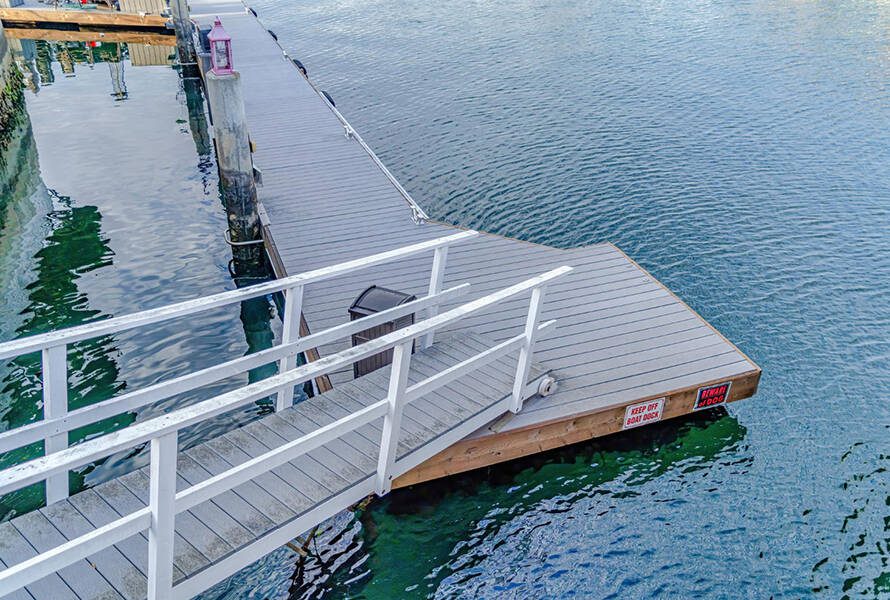
User safety should always be a priority but is often disregarded. Floating docks can be slippery and hazardous if not properly managed. Installing safety features such as handrails, non-slip surfaces, and adequate lighting can significantly reduce the risk of accidents. Furthermore, if your floating platform will be used for large gatherings or various activities, consider the load capacity. Overloading a dock can lead to serious structural issues, endangering everyone on board.
Non-Compliance with Local Regulations and Permits
Lastly, many owners forget to comply with local regulations and permits. Dubai has specific guidelines that govern the installation of marine structures. Failing to secure the necessary permits or adhering to regulations can lead to hefty fines and, in some cases, the removal of your dock. Always check with local authorities to ensure that you meet compliance requirements.
Conclusion
In conclusion, while floating docks, pontoon floats, and related installations can greatly enhance your marine experience in Dubai, it’s crucial to avoid common mistakes. By planning properly, choosing quality materials, ensuring professional installation, maintaining your docks, using proper mooring techniques, prioritizing user safety, and complying with regulations, you can enjoy the benefits of your floating platforms for years to come. At Wavetech Marine Docks, we’re dedicated to helping you make the most of your marine ventures—safely and efficiently.