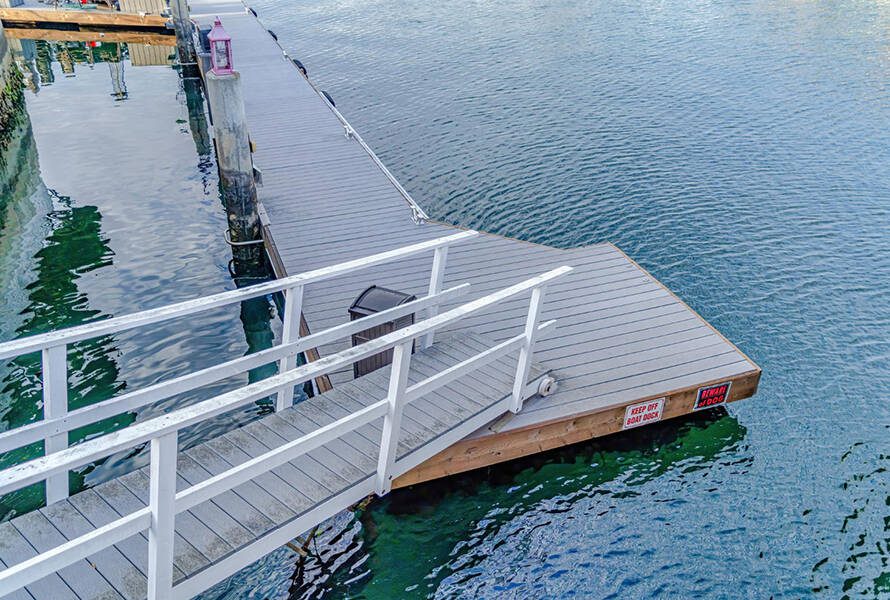
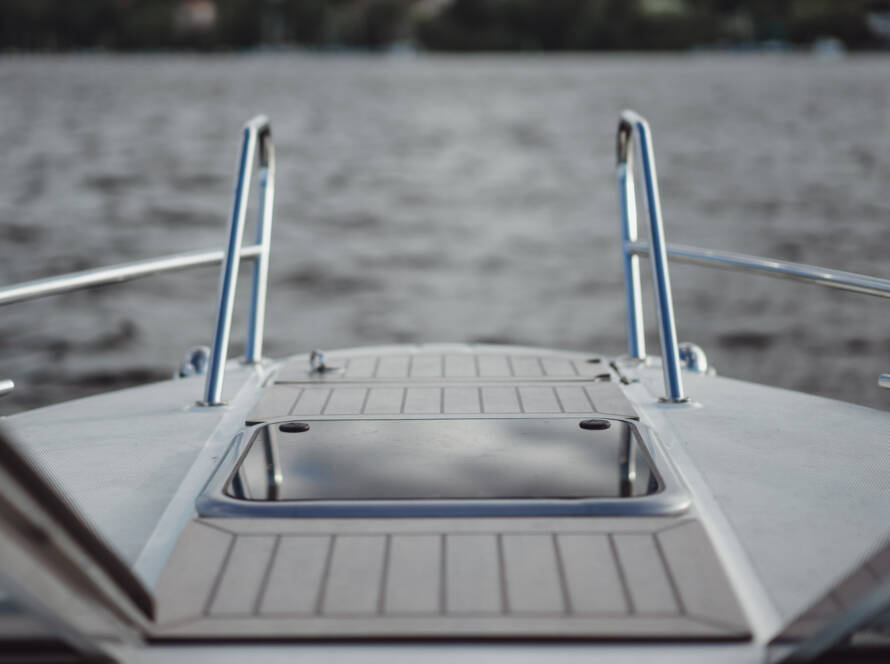
Choosing a Floating Dock to Rent or Buy in the UAE
Choosing between renting a floating dock or buying a permanent system is an important decision for any waterfront in the UAE. The right option affects safety, daily operations, and how smoothly you handle busy periods on the water.
This guide explains the practical differences between renting and buying, with a focus on quality, durability, safety, and real-world use cases in UAE waters.
When a Floating Dock for Rent Makes Sense
Waterfront requirements can change over time. New water activities are introduced, guest numbers rise and fall with holiday periods and tourism peaks, and operational needs shift.
A floating dock for rent can be a practical solution for:
- Short busy seasons
- One-off events on the water
- Trial periods for new services or activities
Renting allows you to respond to demand without a long-term commitment. If the busy period starts around spring and continues into summer, a rental dock can help test layouts, manage crowd flow, and handle extra boats without permanently changing the waterfront.
Situations Where Renting Is Usually the Better Option
For many short-term projects and seasonal sites, renting is the simpler and more efficient choice.
Seasonal and Short-Term Needs
Examples where rental aligns well with operational needs include:
- Marinas that add temporary berths during peak boat traffic
- Resorts that want to test new water activities before making a permanent investment
- Homeowners expecting a few months of heavy use, such as school holidays or family visits
- Contractors needing temporary access for surveying, dredging, bridge repair, or water taxi launches
If there is a clear start and end date, rental usually offers better value than buying.
Budget and Cash Flow Considerations
With rental arrangements, you can often:
- Avoid a large upfront payment
- Align costs with project timelines or seasonal income
- Include installation, inspections, and removal in a single package
This approach can free up capital for staff, equipment, or other project elements.
Operational Flexibility
Rental docks provide flexibility when conditions or requirements change. With a rental system, it is possible to:
- Increase or reduce dock space for specific months
- Rearrange layouts to test vessel flow or guest access
- End the arrangement when the dock is no longer required
Long-term responsibilities for storage, major repairs, and end-of-life disposal are typically handled by the rental provider.
When Buying a Floating Dock Is the Better Investment
For intensive, ongoing use, repeated rentals can become less efficient than ownership.
Long-Term and Frequent Use
Buying is usually the better option when:
- A marina or yacht club operates year-round
- A waterfront villa or community marina expects daily or weekly use for the long term
- An industrial or commercial site relies on marine access as a core part of operations
When a dock is used frequently over many years, the cost per day of use often becomes lower than ongoing rental.
Control and Customization
Ownership allows more control over design and performance. A permanent system can be tailored to:
- Custom layouts that match shoreline, currents, and vessel mix
- Specific load ratings for work crews, equipment, or cargo
- Added features such as integrated power, lighting, or fuel systems
- Safety layouts designed around expected guest paths and emergency routes
In this case, the dock becomes part of the main infrastructure rather than a temporary addition.
Asset Value and Durability
High-quality HDPE floating docks are engineered for long service in high temperatures, strong UV exposure, saltwater, and wave action common in the Gulf region. When investing in a permanent system:
- The dock becomes part of the property or facility asset base
- Long-term business plans, such as water transport or watersports operations, are easier to support
- The waterfront can appear more complete and organized, which can increase perceived value
For many owners, this long-term stability is a key reason to purchase rather than rent.
Cost, Safety, and Maintenance Considerations
Cost, safety, and maintenance should be evaluated together for a clear comparison between renting and buying.
Total Cost of Ownership vs. Rental Cost
To make a balanced decision, consider:
- Expected period of use, in months or years
- Purchase price and professional installation costs
- Ongoing inspections and planned maintenance
- Storage and relocation if the dock is moved or reconfigured
For rental, review the full rental term and what is included in the service. There is usually a point where buying becomes more economical than extending rentals.
Safety and Compliance in UAE Waters
Whether renting or buying, safety and compliance must come first. A suitable system should:
- Use engineered HDPE modules designed for impact resistance and long-term UV exposure
- Maintain buoyancy and stability under expected live and static loads
- Offer non-slip walking surfaces and safe access points
Local harbor and coastal authority regulations may define requirements for load capacity, handrails, access ramps, and life-saving equipment. Working with experienced engineers and installers helps ensure that the system meets these standards.
Maintenance Responsibilities
Maintenance responsibilities differ significantly between rental and ownership.
With a rental floating dock, service often includes:
- Routine inspections during the rental period
- Replacement of damaged or worn modules
- Adjustments to anchoring or layout for changing water levels
When you own the dock, these tasks fall under your maintenance plan. Typical checks should cover:
- Anchors, chains, or piles for movement, corrosion, or wear
- Connectors between modules for looseness or damage
- Surface condition for slip resistance and trip hazards
A well-maintained dock remains safer, more reliable, and better able to protect both people and assets.
Real-World UAE Use Cases
The best choice depends largely on how the water is used, and over what time frame.
Residential and Leisure Applications
At private villas, community marinas, and beach houses, modular HDPE docks are commonly used for:
- Day boats and fishing boats
- Jet skis and kayaks
- Swim and sun platforms
In these situations, a permanent dock is often preferred for regular, year-round use. However, a floating dock for rent can be suitable for:
- Seasonal jet ski or watersports stations
- Temporary swim platforms during school holidays or festive periods
- Testing how a dock changes family or community use of the waterfront before making a permanent investment
Commercial and Hospitality Projects
Hotels, resorts, and beach clubs often combine rental and permanent systems to match different types of demand. Typical examples include:
- Rental platforms for special events, floating lounges, or extra watersport capacity during tourist peaks
- Permanent docks for daily shuttle boats, small cruise boarding, or year-round watersports centers
This blended approach supports both flexibility and operational stability.
Industrial and Marine Operations
In industrial and marine environments, floating docks function as critical work platforms. Rental systems are commonly used for:
- Marine construction activities
- Oil and gas support works
- Temporary barge access and loading points
For long-term operations at ports, terminals, and industrial waterfronts, facilities often invest in custom, heavy-duty floating systems designed for:
- Crew transfer
- Cargo handling
- Regular barge or workboat access
In these cases, purchasing usually aligns better with multi-year project lifecycles and formal safety plans.
How to Choose a Floating Dock Provider
Once the decision to rent or buy is clear, selecting a capable partner is essential.
Engineering and Material Quality
Key points to review include:
- HDPE modules designed for Gulf climate and sea conditions
- UV stability and impact resistance certifications or data
- Non-slip surface finishes suitable for wet conditions
- Proven load ratings and test information
- Reference projects in similar applications, such as marinas, resorts, or industrial sites
Design, Installation, and Support
A reliable provider should be able to:
- Assess the site, including depth, seabed conditions, exposure, and access
- Design the dock layout, access routes, and anchoring system
- Carry out installation with experienced marine crews and appropriate equipment
- Offer ongoing support and defined response times for urgent issues
Comparing Rental and Purchase Proposals
When reviewing proposals, compare details carefully:
- For rental: what is included in transport, installation, inspections, layout changes, and removal
- For purchase: what the warranty covers, its duration, availability of spare parts, and how easily the system can be expanded or reconfigured in future
The best solution is the one that matches the site conditions, operational timeline, safety requirements, and the way the waterfront is used over time.
FAQs About Floating Docks in the UAE
1. How Long Does an HDPE Floating Dock Last in UAE Conditions?
With proper design and maintenance, high-quality HDPE floating docks can typically provide service for 15 to 25 years, depending on UV exposure, wave conditions, and load patterns.
2. Is It Better to Rent or Buy for a New Marina Project?
For a new marina, renting can be useful for pilot phases or temporary capacity. For long-term, continuous operations, ownership usually offers better value and allows more customization and integration with other marina infrastructure.
3. What Maintenance Does a Floating Dock Require?
Routine maintenance usually includes visual inspections for damage, checking connectors and anchoring systems, cleaning the surface to maintain grip, and monitoring for any changes in buoyancy or alignment.
4. Are Floating Docks Suitable for Rougher Sea Conditions?
Engineered HDPE floating docks can be designed for a range of conditions, but exposure, wave height, and site orientation should be carefully assessed. In more exposed locations, heavier anchoring systems, wave attenuators, or modified layouts may be required.
5. Do Floating Docks Need Special Approvals in the UAE?
Most locations require approvals or permits from relevant maritime, coastal, or municipal authorities. These may cover location, size, safety equipment, access, and environmental impact. A qualified provider can help prepare the necessary drawings and technical information for approvals.
Get Started With Your Project Today
If you are ready to add safe, reliable access to the water, we can help you choose the right floating dock for rent for your needs and timeline. At Wavetech Marine Docks, we work with you to match the right configuration, capacity, and layout to your site and budget. Reach out to our team with your project details and we will provide clear options, pricing, and next steps. Have questions or need a custom setup, simply contact us to get started.