Plan a High-Performance Watersports Dock for Your Waterfront
A busy waterfront should not just look good; it should work efficiently and safely for your business. If you run a marina, resort, or watersports center in the UAE, your dock layout can determine how many guests you serve in a day and how safely you operate.
As we head toward peak holiday periods with longer days and more visitors, demand for jet skis, boat trips, and family activities usually rises. A watersports floating dock is a modular platform that sits on the water and connects together like building blocks. It is different from fixed piers because you can reshape it, move it, and add new sections without major construction. It is also more capable than simple moorings that only give you a place to tie up.
When planned well, a modern modular dock becomes a practical business tool. It speeds up boarding, keeps guests moving in the right direction, and creates space to launch new activities. At Wavetech Marine Docks in the UAE, we design, supply, and install floating docks and custom marine structures for all kinds of waterfronts. In this article, we walk through how to use a watersports floating dock to improve throughput, safety, and returns before and during your busy season.
How a Modular Dock Supports Watersports Revenue
A smart dock layout can turn the same stretch of water into a much more productive and safer area.
Faster Customer Turnaround and Higher Capacity
When boarding is slow, you lose trips and frustrate guests. A modular dock lets you plan clear routes on the water:
- Separate boarding and return sides for jet skis
- Straight, wide fingers for quick boat loading
- Marked waiting areas off the main path
With this setup, guests do not block each other. For jet skis, you can create:
- One lane for launch only
- One lane for returns and shut down
- A small, separate zone for fueling and checks
This keeps traffic flowing, keeps staff focused, and lets you run more safe trips per hour without rushing.
Expanding Your Range of Paid Activities
A watersports floating dock is like a base you can keep building on. With extra modules, you can add:
- A boarding area for guided boat tours
- A launch pad for wakeboarding or towable rides
- A calm corner for kayaks, SUPs, and pedal boats
- A kids area with shallow access and softer activities
Detachable sections make seasonal ideas easier. You might add an inflatable park platform or a sunset cruise boarding arm for holiday periods, then park those modules when demand shifts.
Around the main dock, you can also support cross-sales like equipment rental, basic lessons, or a small floating service point for water, snacks, and simple gear. For residential or private villa owners, a similar modular approach can support family boats, jet skis, and paddle craft from the same compact footprint.
Enhancing Guest Experience and Retention
People remember how they feel on the dock. Stable, non-slip surfaces, clear handrails where needed, and simple queuing lines help guests relax, especially families and first-time riders.
In the UAE sun, shaded waiting zones and organized berths matter a lot. When the dock feels safe, clear, and calm, guests are more likely to:
- Stay longer
- Try extra activities
- Recommend you to friends
- Leave better online reviews
That better experience supports higher repeat bookings and a higher average spend per visitor, without compromising safety.
Designing a Watersports Floating Dock That Works Hard
Good design starts long before the first module arrives on site.
Planning Around Site Conditions and Safety
Each location is different. Before choosing a system, it helps to study:
- Water depth and seabed conditions
- Currents and regular wave action
- Tidal range and boat traffic nearby
The right anchoring setup keeps the dock stable without fighting natural movement. On the surface, non-slip material, strong cleats, and correctly placed fenders support safe boarding in busy resort and marina zones.
It is also important to plan for local maritime rules, clear safety signage, and space for emergency access boats or equipment. For government waterfronts or community facilities, these safety and access requirements are often a key design driver.
Zoning for Different Activities and Vessel Types
Not all craft mix well. High-speed jet skis and slow kayaks do not belong on the same face of the dock. A better plan is to create zones:
- One arm for jet skis and speedboats
- A quieter arm for kayaks, SUPs, and pedal boats
- A central area for tour boats and small cruisers
Color-coded edges, numbered berths, and clear loading points help both guests and staff. For example, a resort might run jet ski rentals on one side of the main platform and use the opposite side for family boat tours and catamarans. Guests see where they should be without constant staff direction.
For residential properties, zoning can separate guest berthing from personal craft or swimming areas, improving comfort and safety.
Building in Scalability and Future Upgrades
A modular dock system is most useful when it can grow with you. When designing, it is smart to plan for:
- Extra connection points for future platforms
- Space for adding power and lighting later
- Routing for future fuel lines or storage lockers
New operators can start with a core dock that handles their main activity, then add platforms as demand grows. Private owners can begin with a small jet ski dock and expand to a full boat platform later.
This phased approach avoids large changes later and lets you respond quickly to new trends in watersports while protecting your initial investment.
Operational Efficiencies That Protect Your Margins
Efficient operations keep both your guests and your costs under control.
Reducing Maintenance Downtime and Repair Costs
Saltwater, sun, and constant use are hard on any structure. Choosing high-quality, UV-stable materials and corrosion-resistant fittings helps docks last longer in local conditions.
Well-engineered connections and proper anchoring reduce heavy movement from wake and wind, which cuts down on damage.
A simple inspection routine is very helpful. Staff can:
- Check connectors for wear or movement
- Inspect cleats and handrails for looseness
- Look over flotation elements for damage
Catching small issues early usually means quick fixes, not long shutdowns. For residential owners, this same routine can be done on a weekly or monthly basis to extend service life and protect the structure.
Streamlining Staff Workflows and Training
Seasonal teams need clear systems. A clean dock layout with defined zones lets you give each staff member a role, such as:
- Boarding and life jacket checks
- Launch and return support
- Equipment inspection and reset
Integrated ladders, safety rings, and storage pockets reduce time spent searching for gear or responding to minor slips. A standard boarding checklist used at a fixed point on the dock keeps quality high even when staff change.
Improving Safety to Avoid Incidents
Stronger safety is good for everyone. Fewer accidents mean less disruption to operations and a better experience for guests.
Helpful features include:
- Safety railings where the drop to water is high
- Clear LED lighting for evening use
- Reliable anti-slip surfaces that perform when wet
When partners like hotels, tour companies, and corporate groups see visible safety measures, they trust that their guests and staff are in good hands. For homeowners, these same features provide peace of mind for children and visitors.
Real-world Dock Configurations for Watersports Operators
Each type of operator can shape a watersports floating dock for their own needs.
Beachfront Resorts and Hotels
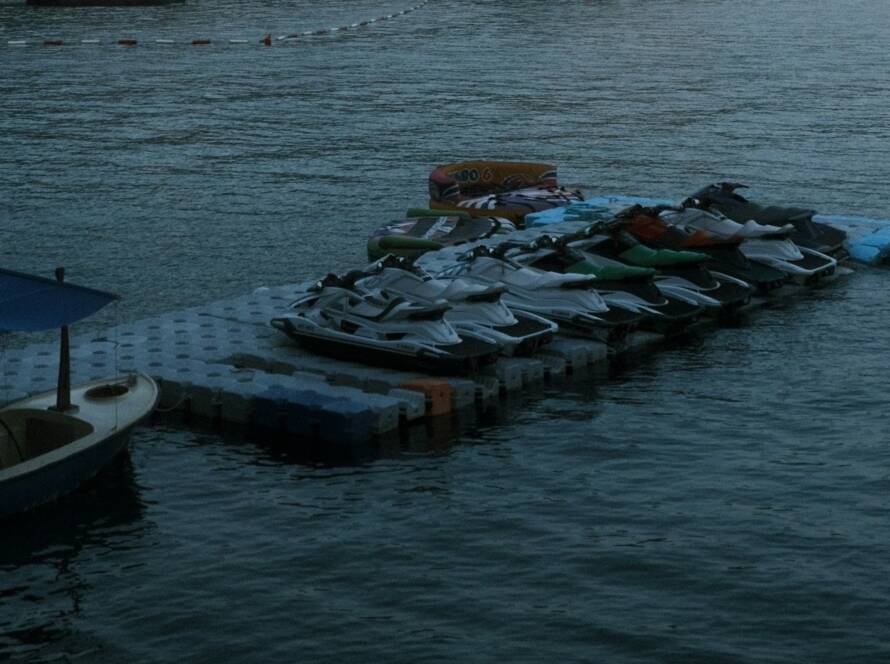
A typical resort layout might have a central platform with several arms:
- One arm for jet skis
- One for banana boats and towables
- One for small rental craft and family boats
Modular sections can be removed or rearranged between high and low seasons or to support a special event near the shoreline. Clean lines, neutral colors, and branded details help the dock blend with a luxury beachfront setting so it looks like part of the resort, not an afterthought.
Urban Marinas and Mixed-Use Waterfronts
Marinas often need to support both private owners and commercial operators. Using modular pontoons, you can assign certain sections for:
- Short-term day rentals
- Tour operators and RIB rides
- Sunset cruises and charter boarding
By placing these modules slightly away from quiet residential berths and planning guest routes carefully, you can manage noise and traffic without major disruption to existing users.
Adventure Parks and Standalone Watersports Centers
Adventure-focused sites can turn a watersports floating dock into the centerpiece of the attraction. Modular platforms can create:
- Launch pads for inflatable obstacle courses
- Training zones for wake or foil lessons
- Rest and viewing decks for parents and groups
Before school holidays or Eid breaks, extra platforms can be added to handle peak demand, then reconfigured afterward. A well-planned layout with tidy equipment and clear zones often draws walk-in traffic from nearby promenades or beaches.
Residential and Private Waterfronts
For villas and private waterfront properties, a compact modular dock can provide:
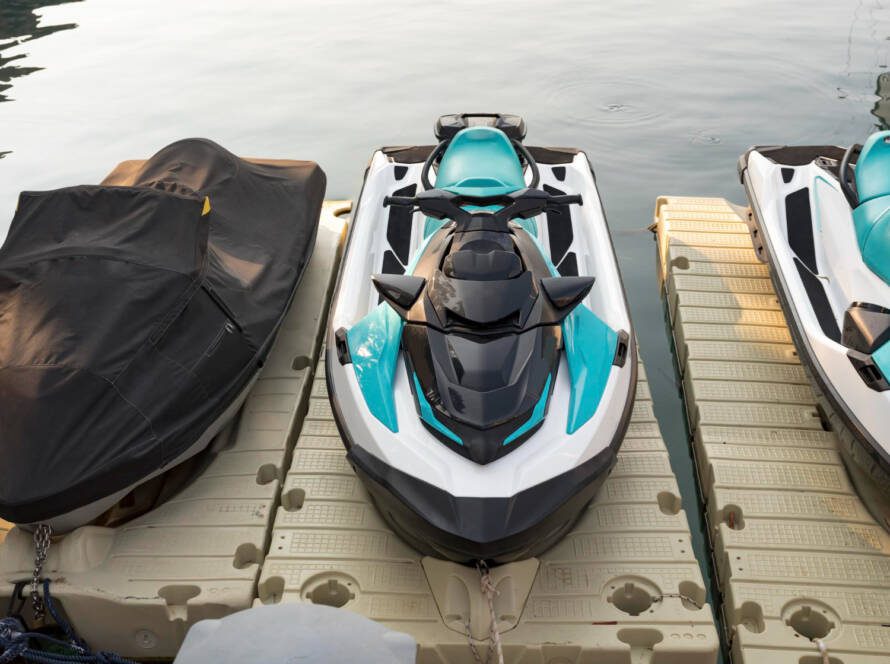
- Dedicated jet ski docks for easy drive-on, drive-off use
- A small finger for a family boat or fishing craft
- A stable platform for swimming and watersports access
Homeowners benefit from low-maintenance, UV-stable materials that perform well in UAE conditions and can be expanded later as needs change.
Prepare Your Waterfront for Peak Season
This is a good time to look closely at your current docking setup. Where are the bottlenecks, where do guests hesitate, and which parts of your waterfront sit underused? Even small layout changes can free up capacity and open space for new activities when the next rush of visitors arrives.
A professional site assessment helps align dock design with your vessel mix, guest profile, and long-term plans. At Wavetech Marine Docks, we focus on modular floating docks, pontoons, jet ski docks, boat platforms, and custom marine structures for residential, commercial, and government clients across the UAE.
With the right watersports floating dock in place, your waterfront can move from a basic access point to a safe, durable, and flexible platform that supports your watersports operations season after season.
Upgrade Your Waterfront With a Custom Floating Dock Solution
Transform how you launch, store, and enjoy your gear with a purpose-built watersports floating dock from Wavetech Marine Docks. We work with you to design a layout that fits your shoreline, equipment, and boating lifestyle. If you are ready to plan your project or have questions about options and pricing, contact us and we will help you take the next step.