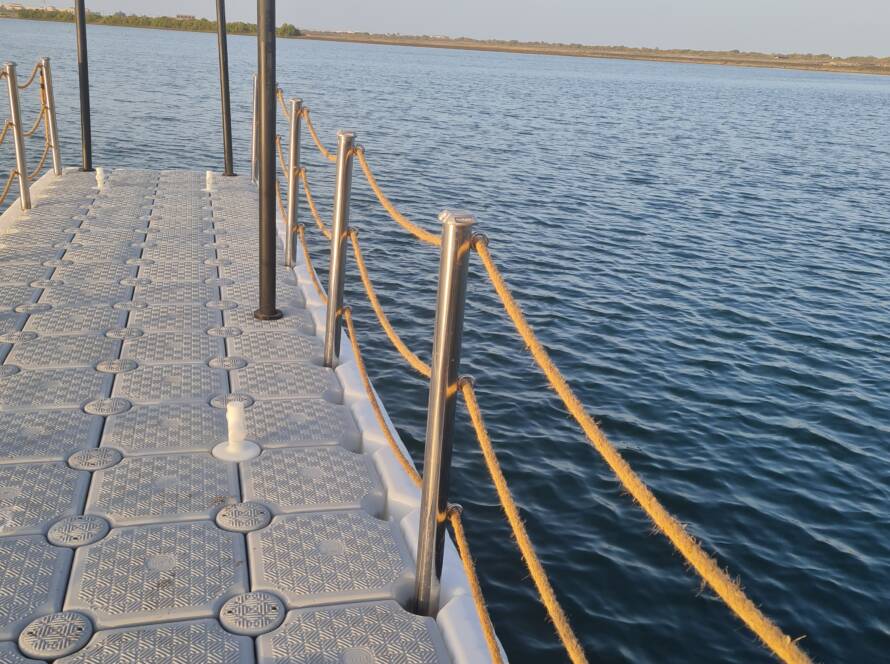
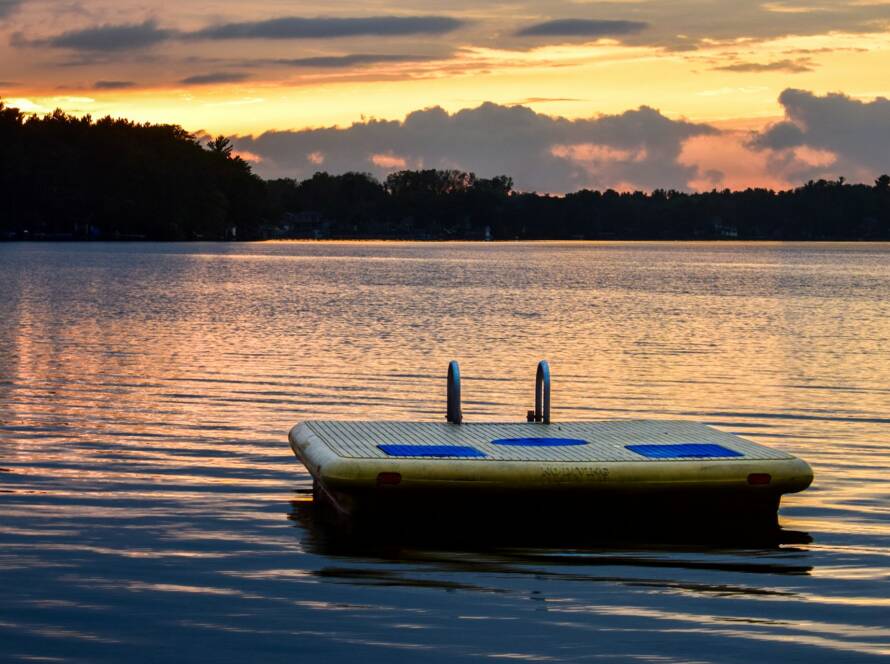
Install Floating Docks That Survive UAE Conditions
Floating dock installation in the UAE is not the same as installing one in a calm lake somewhere else. Our coastline has high salinity, extreme heat, very strong UV exposure, seasonal swells, and busy marinas with constant boat movement. If a dock is not planned and installed for these exact conditions, problems show up fast.
Many dock issues, like broken parts, unstable walking surfaces, or unsafe movement, do not come from the floats themselves. They usually start with avoidable mistakes made during planning and installation. When the base work is wrong, even good dock systems struggle.
In this guide, we walk through the most common mistakes we see with floating dock installation in the UAE and how they lead to trouble. When you know what to watch for, you can ask better questions, spot warning signs, and protect your waterfront for the long term.
Misreading Site Conditions Along the Coastline
The first big group of mistakes begins before anything touches the water. If the site is not studied in detail, the dock will fight the sea instead of working with it.
A common error is overlooking local water dynamics. Some layouts are drawn as if the water were always calm and at one fixed level. In reality, we have:
• Tidal range that lifts and lowers the dock
• Seasonal currents that change direction and speed
• Wave patterns that shift with swells and passing boats
• Boat traffic that adds constant wake and impact
When these are ignored, docks can slam against seawalls, ride too high or too low at certain tides, or twist when people step on them. In semi-sheltered lagoons, winter swells can bend waves around corners and hit a dock from a new angle, suddenly making it feel loose and unstable.
Another issue is underestimating seabed and depth variations. Without a proper survey, people may set anchors in soft sand that moves over time, or place piles where the seabed changes from sand to rock in a short distance. That can cause:
• Anchors that drag, letting the dock drift or rotate
• Sections of dock that are over-stressed because one point holds too much load
• Uneven movement when water depth changes sharply along the layout
We also see projects that ignore microclimate and wind exposure. The UAE has strong shamal winds and local gusts that funnel between buildings or along channels. If a dock is aligned across the wind instead of with it, connections, moorings, and cleats can be under constant side load. Planning should always look at:
• Prevailing wind direction
• How nearby structures shape gusts
• The safest alignment for main walkways and fingers
Choosing the Wrong Dock System for the Application
Not all floating dock systems are built for the same job. Treating every module as one-size-fits-all is a shortcut that leads to headaches later.
One frequent mistake is using light recreational modules for heavy-duty work. For example, systems made for weekend personal use are not meant for commercial boarding, equipment loading, or workboat berths. When light-duty pontoons are used in these roles, problems can include:
• Excessive flexing under loads
• Fast wear of connectors and pins
• Wobbly movement that feels unsafe for guests or staff
Ignoring vessel type and usage patterns is another trap. The right dock height, stability, and layout depend on what is tying up there. RIBs, yachts, fishing boats, and PWCs all behave differently at the dock. Key points that must match the vessels are:
• Freeboard height for comfortable boarding
• Width and stiffness of the walkway for frequent foot traffic
• Corner strength for repeated side berthing
A quiet private villa dock, used by one family, does not need the same setup as a busy rental fleet or a marine operations base. If the system is underbuilt for actual use, it wears out quickly and can feel unsafe.
Material performance in UAE waters is another big factor. High salinity, heat, and UV exposure are tough on cheap plastics and untreated metals. Common issues include:
• Warped or faded plastic elements under strong sun
• Corroded metal fittings that weaken over time
• Decking surfaces that crack, splinter, or overheat
Well-designed floating docks for this coastline use engineered, marine-grade materials with UV stabilizers and corrosion-resistant hardware, so the structure holds up season after season.
Weak Anchoring and Structural Connections
Even the best dock modules will fail if the anchoring and connections are poorly planned. This is where many installations in the UAE go wrong.
Under-designed anchoring systems show up when installers choose anchors that are too small, use too few mooring points, or select low-quality chains and ropes. The result can be:
• Dock sections that drift or rotate out of place
• Repeated collisions with boats or seawalls
• Tension points that snap during strong winds or swells
The right anchoring type depends on the site. Options often include:
• Deadweight anchors for deeper or softer areas
• Pile guides that let the dock rise and fall safely
• Mooring lines that work with both tides and wind
Poorly planned load paths and connections are another hidden problem. Some floating docks mix incompatible parts or use non-marine hardware that rusts or stretches quickly. Weak hinge points between sections can create a “wave” effect along the dock when boats pass or when several people walk at once. Over time, this flexing can:
• Crack modules at the joints
• Loosen bolts and pins
• Make the dock feel bouncy and unreliable
We also have to think about thermal movement and expansion. The heat here causes materials and fasteners to expand during the day and contract at night. If the system does not allow for this movement, it can lead to:
• Misaligned sections and tight joints that bind
• Stress on connectors that accelerates wear
• Fasteners working themselves loose
Professional planning builds in just enough freedom for the dock to move without losing strength or safety.
Overlooking Safety, Compliance, and Maintenance
A floating dock is more than floats and frames. Safety, rules, and upkeep matter just as much as structure.
One common mistake is skipping safety-focused layout and surfaces. We regularly see:
• Walkways that are too narrow for two people to pass
• No handrails in areas where the water is deep or access is tricky
• Slippery decking with little grip, especially when wet
• Dark-colored surfaces that get very hot under the midday sun
Good design thinks about children, older users, staff carrying gear, and people boarding boats in a hurry. It also considers safe angles for boarding PWCs and small boats, so users do not have to stretch or jump.
Ignoring regulations and approvals is another risk. Installing without the right permissions, engineering documentation, or compliance with local maritime and marina rules can lead to:
• Orders to remove or change the dock
• Problems with insurance coverage
• Limits on how the dock can be used for business
Finally, many owners treat their dock as an “install and forget” system. In our waters, that approach does not work for long. Without a basic maintenance plan, small issues turn into big failures. A sensible plan usually includes:
• Regular visual checks of floats, connectors, and anchoring
• Scheduled tightening of hardware
• Checks for wear in chains, ropes, and pile guides
• Cleaning to control buildup that can add weight or affect surfaces
Floating dock installation in the UAE should always include a realistic maintenance schedule matched to the location and how often the dock is used.
How Wavetech Prevents Costly Dock Mistakes
At Wavetech Marine Docks, we start with a professional site assessment for every waterfront project. Before we design anything, we study:
• Tides and water level changes
• Waves, swells, and wake from nearby boat routes
• Seabed type and depth patterns
• Local wind behavior and microclimate effects
• Current and future usage needs for the dock
We pay close attention to timing as well. For example, a dock installed early in the year has to be ready for the busier spring and summer periods, when daylight hours are longer and activity on the water increases.
From there, we design and install for long-term performance, not just for the first season. Our team combines custom layouts, appropriate materials, and anchoring systems that suit each specific site. We work on residential villas, marinas, water sports centers, and industrial or workboat operations along the UAE coastline, always with the same goals: safe access, stable movement, and durable performance.
Floating docks that are planned and installed the right way stay stable, safe, and reliable through changing tides, busy weekends, and shifting conditions, not only on the day they float for the first time.
Get Started With Your Project Today
If you are ready to upgrade your waterfront with reliable, long-lasting access, our team at Wavetech Marine Docks is here to help you plan and build it correctly from day one. Explore our full range of modular systems and components for floating dock installation in the UAE to find the right configuration for your site. If you would like expert guidance or a customized quote, simply contact us and we will walk you through your options step by step.