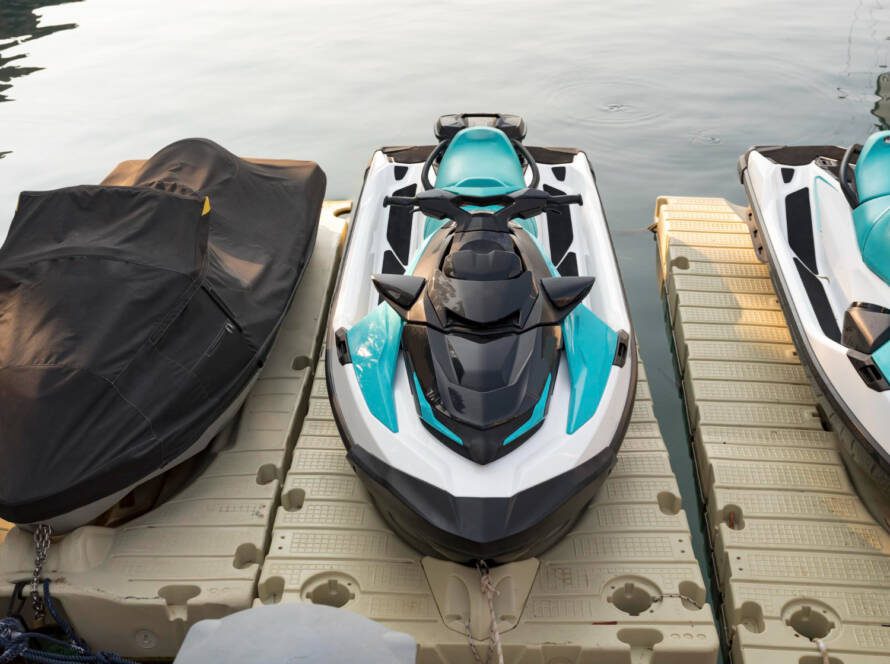
Waterfront construction has a lasting effect on shorelines, seabeds, habitats, and the people who use them. As marinas, resorts, communities, and private waterfront owners look for practical access to the water, the environmental implications of each structure deserve careful attention. In many settings, floating docks can offer a lighter-touch alternative to fixed construction, particularly when they are designed for local conditions and installed with responsible mooring and maintenance practices.
Understanding the Difference in Approach
A fixed structure is permanently connected to the shoreline or seabed. It may require piles, concrete foundations, excavation, or other interventions that alter the physical environment. A floating structure, by contrast, rests on buoyant modules and is connected through a system that allows movement with changing water levels.
This difference does not make one option automatically sustainable. A well-designed floating solution may reduce disturbance, while a poorly specified product can create avoidable waste or maintenance issues.
Less Seabed Disturbance
One of the main environmental advantages of a floating system is the potential to reduce direct contact with the seabed. Where conditions allow, it may avoid extensive piling or a continuous foundation. This can help limit excavation, sediment disruption, and damage to aquatic vegetation during installation.
A comparison of floating dock vs fixed dock should therefore consider the full construction process, not only the appearance of the finished structure. Buyers should ask how the dock will be anchored, whether installation equipment can access the site without damaging sensitive areas, and how the structure will behave during storms, tides, currents, or seasonal water-level changes.
Adaptability and Changing Water Levels
A floating system can rise and fall with the water, helping maintain a more consistent access point in environments where levels fluctuate. This can reduce the need for repeated structural adjustments and make the waterfront easier to use across different seasons.
A pontoon float also supports modular design. Sections can often be extended, rearranged, repaired, or replaced without removing an entire installation.
Materials and Lifecycle Matter
Environmental performance depends heavily on what a dock is made from and how long it remains in service. Durable materials that resist corrosion, ultraviolet exposure, impact, and biological growth can reduce replacement frequency. Reusable or recyclable components can also help limit waste at the end of the structure’s life.
Owners should examine the complete lifecycle, including manufacturing, transportation, installation, cleaning, repairs, and decommissioning. A lightweight system may reduce installation impact, but it still needs to be strong enough for its intended loads and local weather conditions. Durability is an environmental consideration because frequent replacement consumes additional materials and energy.
Responsible Mooring and Maintenance
Mooring design is central to both safety and environmental care. A well-engineered floating dock mooring system should provide stability while limiting unnecessary movement, seabed scouring, and stress on connections. The right approach depends on water depth, current, wave exposure, tidal range, and the nature of the seabed.
Regular inspections also matter. Loose connections, damaged floats, deteriorating hardware, and poor housekeeping can create hazards or allow debris to enter the water. Planned maintenance helps owners address small issues before they require major replacement.
Choosing the Right Waterfront Solution
The most eco-friendly option is not determined by a label alone. It is the solution that meets the site’s functional needs with the lowest reasonable environmental disturbance over its full lifecycle. In some locations, a fixed structure may be appropriate; in others, a modular floating system may offer better adaptability and less invasive installation.
For WaveTech Marine, responsible waterfront design begins with understanding the site before recommending a product. By evaluating access, loads, movement, materials, mooring, maintenance, and future changes together, property owners can create water access that is practical, durable, and more considerate of the environment.